
Wildlife Conservation in Sri Lanka: Why National Parks Matter
Understand the habitats national parks protect, why conservation reaches beyond their boundaries and how to approach a wildlife visit with care.

Wildlife conservation in Sri Lanka depends on protecting the places animals use, as well as the animals themselves. National parks are part of that work: they protect habitats, provide space for wildlife and give people a way to learn about the natural world. Their value extends beyond the animals a visitor happens to see during a safari.
A useful question to bring into a park is not only “What will we see?” but “What makes it possible for wildlife to live here?” Water, vegetation and the surrounding landscape deserve some of that attention.
What do national parks protect?
The Department of Wildlife Conservation explains that Sri Lanka's national parks are declared under the Fauna and Flora Protection Ordinance. Its national parks overview also describes parks established to protect catchment areas and provide habitat for animals displaced by irrigation projects.
For visitors, this is a reason to look beyond the most recognisable species. A patch of vegetation, a water body and the ground between them are all part of the place you have come to experience. A photograph of an animal tells only a small part of that story.
Kumana shows why habitat variety matters
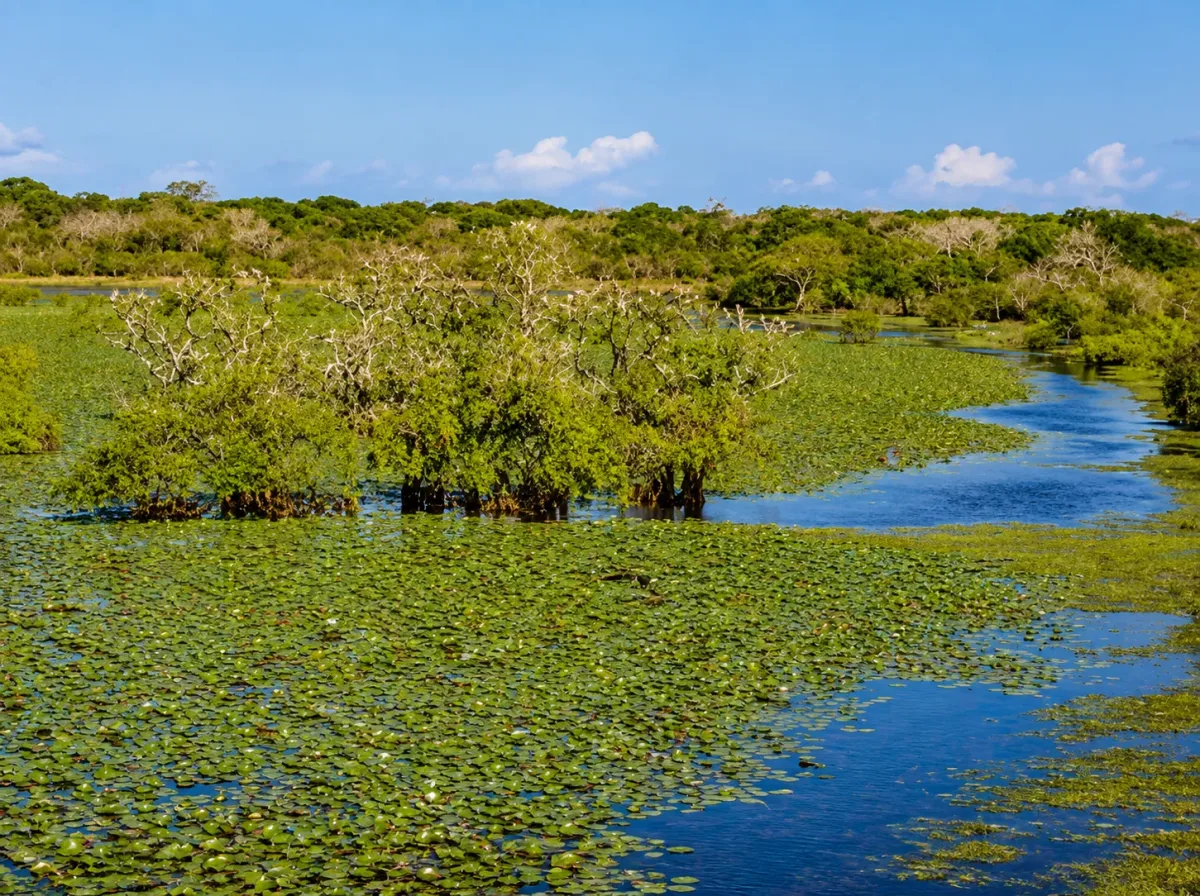
Kumana is a useful example because its wildlife landscape includes both land and water. The Ministry of Environment's Kumana National Park profile describes grassland, forest, rivers, estuaries and coastal vegetation, alongside its importance for birds and other wildlife.
The Ramsar record for the Kumana Wetland Cluster describes feeding and resting habitat for wetland wildlife and refuge for juvenile fish and crustaceans. It also records local fishing and rice cultivation. Protecting this landscape therefore involves more than preserving a scenic view.
The cluster includes land within Kumana National Park and the Panama-Kudumbigala Sanctuary. Its boundaries should not be confused with the boundaries of the whole park.
Conservation continues beyond park boundaries
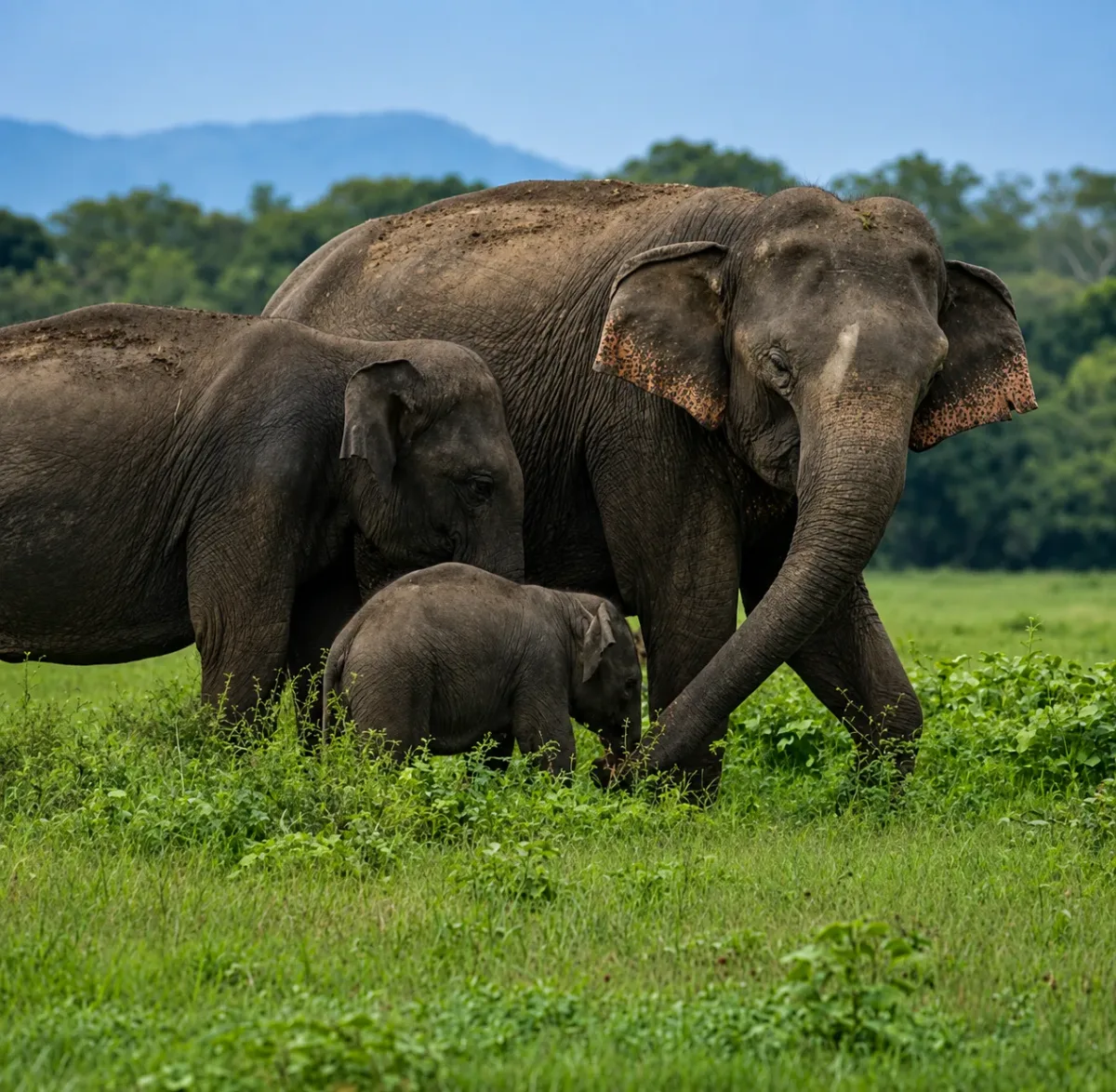
Protected areas do not contain every place wildlife needs. The Centre for Conservation and Research's elephant management research explains that elephant home ranges may lie inside protected areas, outside them or across both. Its proposed approach considers the wider landscape and the people who share it.
This is an important distinction when talking about conservation. A visitor sees a brief part of the relationship between wildlife, land and people. Communities living around wildlife have daily concerns that cannot be understood from a safari photograph alone.
Avoid treating an animal near a village or a road as an invitation to get closer. Give the situation space and follow local directions. Curiosity is useful; trying to create a dramatic encounter is not.
Can tourism help wildlife conservation?
Tourism can give visitors a reason to learn about protected landscapes and pay for permitted access. Whether a particular trip helps conservation also depends on how it is operated. The word “eco” on a booking page does not explain the vehicle's behaviour, where money goes or whether a conservation project receives support.
Ask practical questions. Are park entry fees included? Will the driver follow the permitted routes? What happens if several vehicles gather around an animal? Clear answers are more useful than a broad promise to “save wildlife.”
Do not assume that booking a safari makes a separate donation to research, habitat restoration or community projects. Where such a contribution is advertised, look for a named recipient and an explanation of the arrangement.
What responsible wildlife watching looks like
The Sri Lanka Tourism Development Authority's vehicle safari guidelines cover permitted routes, giving animals right of way, avoiding feeding and taking rubbish away. These are useful expectations to discuss before your trip.
- Let the animal set the pace. Allow it to cross or move away without asking the driver to pursue it.
- Keep food for people. Never offer it to an animal for a photograph or a closer look.
- Take everything back with you. Check for bottles, wrappers and other belongings before leaving.
- Accept the view you have. A distant sighting can still be worth watching through binoculars.
You can also make the drive more interesting by asking about habitat, behaviour or a bird you cannot identify. That shifts the visit towards observation rather than a race between sightings.
Notice the smaller parts of the visit
It is easy to arrive with one favourite animal in mind. Try setting a second, simpler aim: watch a bird feeding, notice how a water edge changes or spend a few minutes looking at the same patch of habitat.
You do not need to identify everything. A short note about what an animal was doing can be more meaningful than a long species list. If you enjoy that approach, our bird watching guide to Kumana is a useful next read.
Questions about wildlife conservation in Sri Lanka
Why are national parks important?
They protect habitats and provide managed opportunities for people to experience and learn about wildlife. Their purpose is wider than providing a setting for safari photographs.
Are national parks enough to protect elephants?
Park protection is important, but elephant conservation also has to consider land outside protected areas and the communities sharing that landscape. Research on elephant home ranges helps explain why boundaries alone cannot answer every conservation problem.
Does seeing fewer animals mean a park has little value?
No. A visitor's sightings are a brief observation, not an assessment of a park's ecological value. Judge the experience with that limitation in mind.
How can I approach a Kumana safari responsibly?
Check the current Kumana safari inclusions, discuss your interests with the team and allow wildlife room during the drive. For questions about arrangements, use our contact page.
Share this article

Local Culture & Area Guide

